
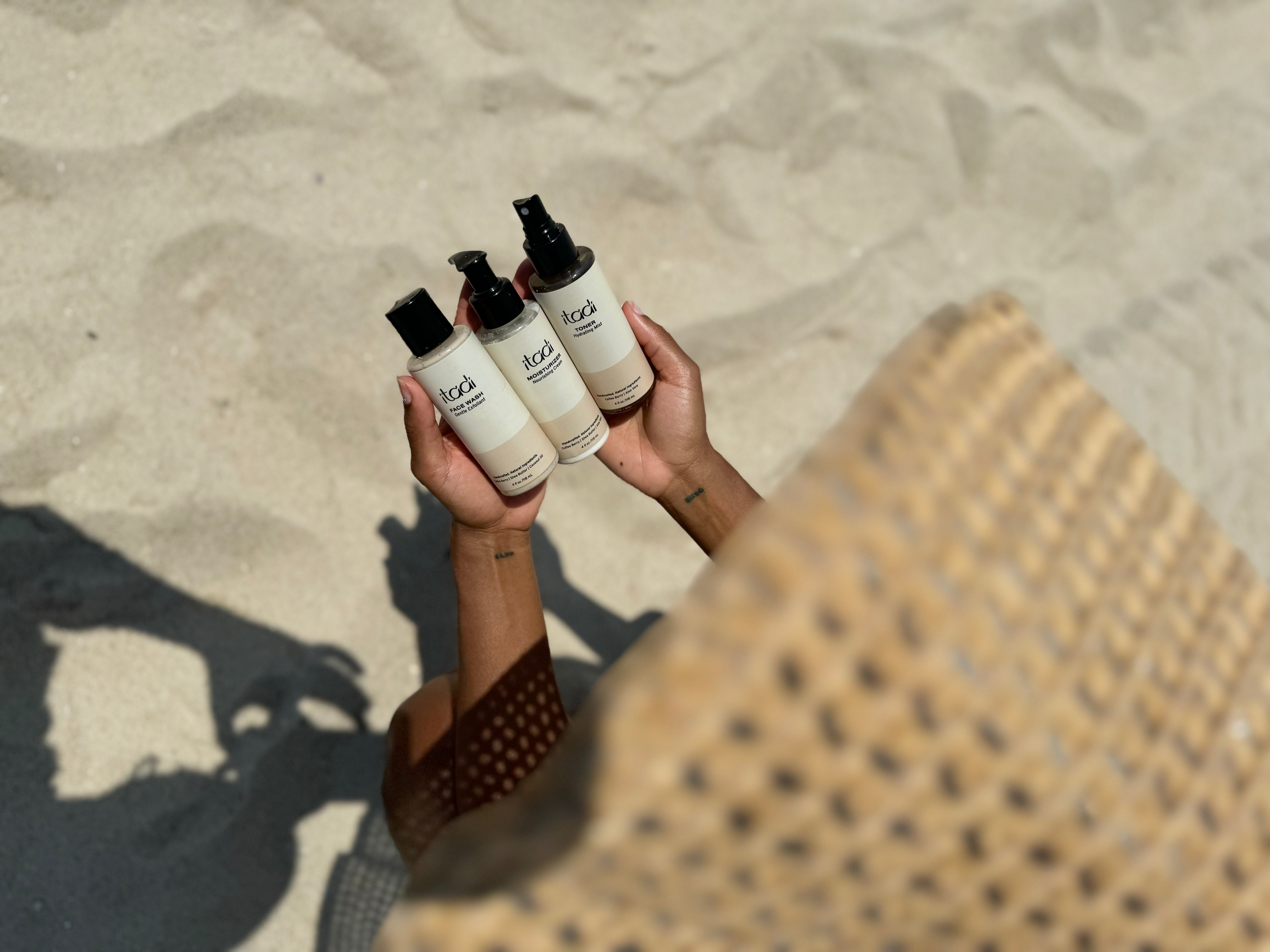
Welcome to the Itadi Body blog! For many beginners, toner is the most confusing step in a skincare routine. You might have memories of harsh, alcohol-filled astringents that left your skin tight and dry. Good news: modern toners are completely different! They are water-based, soothing, and act as a crucial prep step that can significantly boost the effectiveness of your entire routine.
What is a Toner, Really?
Forget the old-school astringents. Today's toners are essentially liquid treatments applied after cleansing and before serums or moisturizers. They are designed to:
1.Remove Residual Impurities: Gently wipe away any last traces of dirt, oil, or makeup that your cleanser might have missed [1].
2.Hydrate and Soothe: Many modern formulas are packed with hydrating ingredients like hyaluronic acid and glycerin to replenish moisture lost during cleansing [1].
3.Prep for Absorption: By increasing the water content of the outer layer of your skin, toner acts like a sponge, helping your serums and moisturizers to absorb better and work more effectively [1].
4.Balance pH: Cleansing can temporarily alter your skin's natural pH level. Toner helps to quickly restore this balance, ensuring your skin is in its optimal state [1].
Do You Need a Toner?
While not strictly essential for everyone, adding a toner can significantly "level up" your routine, especially if you have specific skin goals. They are no longer a "one-size-fits-all" product; they are targeted treatments.
Choosing the Right Toner for Your Skin
The best toner for you depends on your skin type and concerns:
|
Skin Concern
|
Recommended Toner Ingredients
|
Why They Work
|
|
Acne-Prone / Oily Skin
|
Salicylic Acid (BHA), Glycolic Acid (AHA), Niacinamide
|
BHAs penetrate pores to dissolve oil and control breakouts. AHAs exfoliate the surface, and Niacinamide helps with oil control and pore appearance [1].
|
|
Dull Skin / Uneven Texture
|
Glycolic Acid (AHA), Lactic Acid (AHA), Licorice Root
|
AHAs gently exfoliate the skin's surface, promoting cell turnover for a brighter, smoother complexion [1].
|
|
Dry / Sensitive Skin
|
Hyaluronic Acid, Glycerin, Rose Water, Aloe Vera
|
These ingredients provide deep hydration and soothing properties, reducing redness and preventing irritation. Avoid alcohol and heavy fragrances [1].
|
|
Mature Skin / Anti-Aging
|
Antioxidants (Vitamin C, Ferulic Acid), Hyaluronic Acid
|
Antioxidants protect against environmental damage, while Hyaluronic Acid plumps the skin and reduces the appearance of fine lines [1].
|
How and When to Use Your Toner
1.When: Immediately after cleansing, both morning and night (if your skin tolerates it).
2.How:
•Swipe: Apply a small amount to a cotton pad and gently swipe it over your face, avoiding the eye area.
•Mist: If your toner comes in a spray bottle, you can simply mist it onto your face.
•Pat: Pour a few drops into your palms and gently pat it onto your skin.
Pro Tip: If your toner contains strong active ingredients (like high concentrations of acids), start by using it only every other day to allow your skin to build tolerance [1].
The Takeaway
Modern toners are a far cry from the harsh astringents of the past. They are hydrating, balancing, and a vital step in preparing your skin for the potent ingredients in your serums and moisturizers. Choose a toner tailored to your skin's needs, and watch your entire routine become more effective!
References
[1] Cleveland Clinic. (2025, September 16). What Does Toner Do for Your Face? 5 Benefits. Retrieved from https://health.clevelandclinic.org/what-does-toner-do
0 comments