
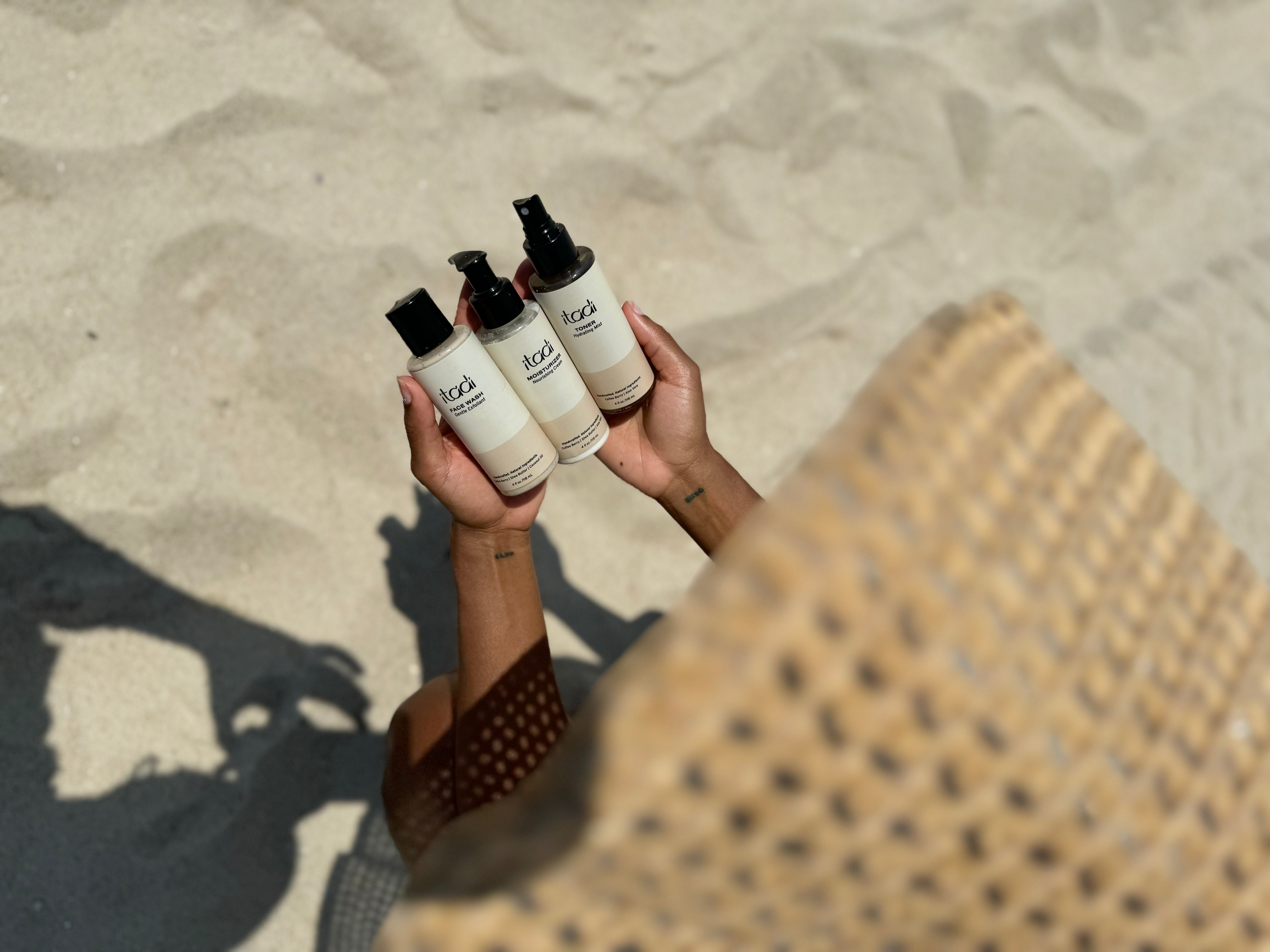
Serums are the workhorses of any skincare routine. They are highly concentrated, lightweight formulas designed to deliver powerful active ingredients directly into the skin. For a beginner, understanding where a serum fits into the routine and which one to choose can be confusing. This guide breaks down the essentials.
What Makes a Serum Different?
Serums differ from moisturizers in three key ways:
1.Concentration: Serums contain a much higher concentration of active ingredients (like Vitamin C, Hyaluronic Acid, or Niacinamide) than moisturizers.
2.Texture: They are typically lightweight, water-based, or oil-based liquids that absorb quickly and penetrate deeper into the skin.
3.Purpose: Serums are designed to treat specific skin concerns (e.g., fine lines, dark spots, dehydration), while moisturizers are designed to hydrate and protect the skin barrier.
When to Use a Serum: The Skincare Layering Rule
Serums should always be applied after cleansing and toning, but before moisturizing. The general rule for layering is to apply products from thinnest consistency to thickest consistency.
|
Routine Step
|
Product Type
|
Purpose
|
|
1. Cleanse
|
Cleanser
|
Removes dirt and oil.
|
|
2. Tone
|
Toner
|
Balances pH and preps skin.
|
|
3. Treat
|
Serum
|
Delivers active ingredients to target concerns.
|
|
4. Hydrate
|
Moisturizer
|
Locks in hydration and seals the skin barrier.
|
|
5. Protect
|
Sunscreen (AM only)
|
Shields skin from UV damage.
|
Choosing the Right Serum for Your Concern
Since serums are targeted treatments, you should choose one based on the primary concern you want to address:
|
Skin Concern
|
Recommended Serum Ingredient
|
|
Dullness & Dark Spots
|
Vitamin C (use in the morning for antioxidant protection)
|
|
Dryness & Dehydration
|
Hyaluronic Acid (use morning or night)
|
|
Acne & Oiliness
|
Niacinamide or Salicylic Acid (use morning or night)
|
|
Fine Lines & Texture
|
Retinoids or Peptides (use at night)
|
Simple Application Tips
•Less is More: Serums are potent. A pea-sized amount or 3-4 drops is usually enough for the entire face and neck.
•Pat, Don't Rub: Gently pat the serum onto your skin until it is absorbed. Rubbing can cause unnecessary friction and irritation.
•Wait Time: Give your serum a minute or two to fully absorb before moving on to your moisturizer.
Pro Tip: You can use different serums in the morning and at night. For example, a Vitamin C serum in the morning for protection and a Retinoid serum at night for repair. Just remember to keep your routine simple and consistent.
0 comments