
Redness, flushing, and visible blood vessels are common concerns, especially for those with sensitive skin or conditions like rosacea. Managing redness is all about being gentle, avoiding triggers, and using ingredients that calm inflammation and strengthen the skin barrier. The goal is to reduce inflammation, soothe irritation, and protect the skin from further damage.
Understanding Redness and Rosacea
Redness can be a temporary reaction to irritation, or it can be a persistent symptom of conditions like rosacea, which is a chronic inflammatory skin condition. Common triggers include:
•Environmental Factors: Sun exposure, wind, extreme temperatures.
•Dietary Triggers: Spicy foods, hot beverages, alcohol.
•Skincare Products: Harsh ingredients, fragrances, alcohol.
•Stress: Emotional stress can exacerbate redness.
The Core Principles: Gentle Care is Key
1.Identify and Avoid Triggers: Pay attention to what makes your skin flush or become red and try to minimize exposure.
2.Gentle is Gold: Use only mild, fragrance-free, and non-irritating products.
3.Strengthen the Barrier: A healthy skin barrier is less reactive and better able to protect itself.
The Simple Routine for Redness-Prone Skin
Step 1: Ultra-Gentle Cleansing (Morning and Night)
Choose a creamy, non-foaming, or micellar water cleanser. Avoid hot water, which can worsen redness.
•Key Tip: Use lukewarm water and your fingertips. Pat dry gently with a soft towel.
Step 2: Soothing Treatment (Morning and Night)
Introduce ingredients known for their calming and anti-inflammatory properties.
•Niacinamide: Helps reduce redness, improve skin barrier function, and calm inflammation.
•Centella Asiatica (Cica): Known for its soothing and healing properties.
•Azelaic Acid: Often prescribed for rosacea, it helps reduce redness and bumps.
Step 3: Barrier-Repairing Moisturizer (Morning and Night)
A rich, soothing moisturizer is essential to support and repair the skin barrier, which is often compromised in redness-prone skin.
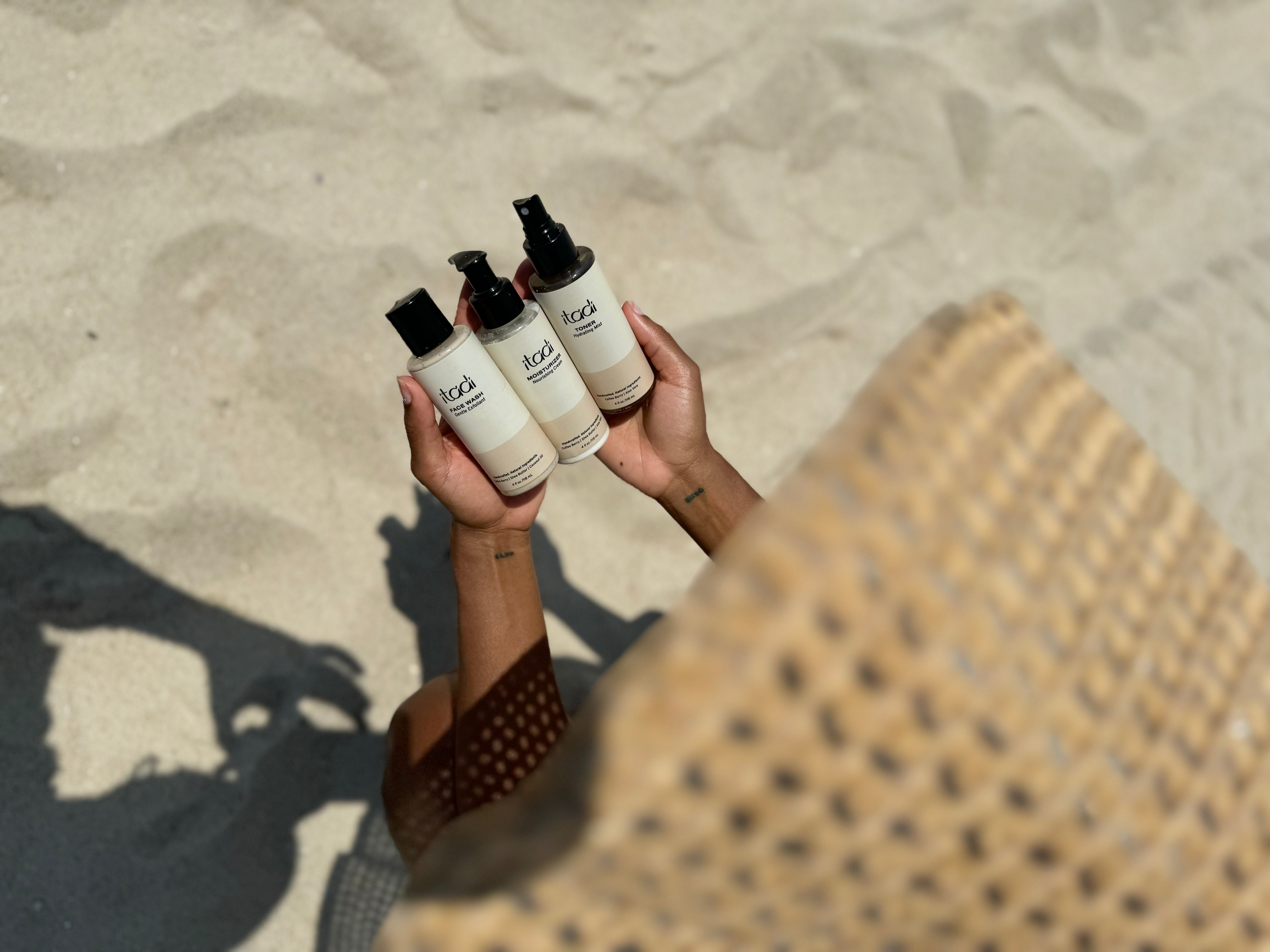
•Choice: Look for moisturizers rich in Ceramides, Glycerin, and Hyaluronic Acid. The Itadi Moisturizer Nourishing Cream is an excellent choice for this step. Its rich, gentle formula helps to replenish the skin's moisture barrier, providing soothing hydration and reducing the appearance of redness without causing further irritation.
Step 4: Mineral Sunscreen (Morning - Non-Negotiable)
Sun exposure is a major trigger for redness and rosacea. Mineral sunscreens (Zinc Oxide and Titanium Dioxide) are generally better tolerated than chemical sunscreens.
•Choice: Use a broad-spectrum mineral SPF 30 or higher daily.
The Simple Truth: Managing redness and rosacea requires patience and a consistent, gentle approach. By focusing on soothing ingredients, strengthening your skin barrier, and diligently avoiding triggers, you can significantly reduce redness and achieve a calmer, more comfortable complexion.
0 comments