
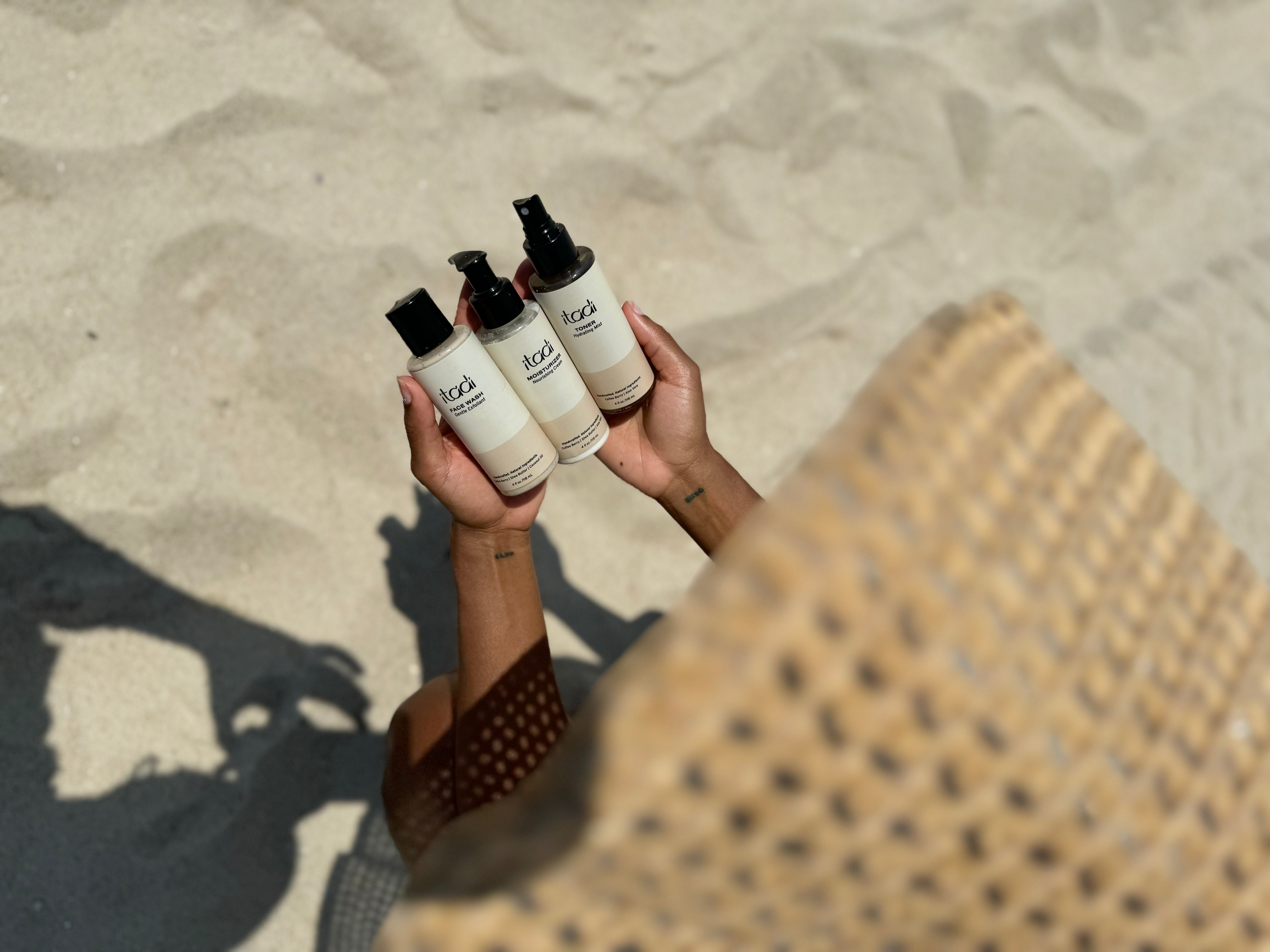
If you have oily skin, you know the struggle: that midday shine, the constant battle with breakouts, and the feeling that your makeup just melts away. It can be frustrating, but the good news is that managing oily skin doesn't have to be complicated. With a few simple steps and the right products, you can control excess oil, minimize breakouts, and achieve a balanced, healthy complexion. This guide will walk you through an easy, effective skincare routine designed specifically for oily skin.
Understanding Oily Skin
Oily skin is characterized by an overproduction of sebum, the natural oil your skin produces. While sebum is essential for keeping your skin moisturized and protected, too much of it can lead to:
•Shiny appearance: Especially in the T-zone (forehead, nose, and chin).
•Enlarged pores: Excess oil can make pores appear larger.
•Breakouts: Clogged pores from oil and dead skin cells can lead to blackheads, whiteheads, and acne.
The goal of an oily skincare routine isn't to completely strip your skin of oil (which can actually make it produce more!), but to balance sebum production and keep pores clear.
Your Simple 3-Step Routine for Oily Skin
Consistency is key when it comes to managing oily skin. Stick to these three essential steps twice a day for the best results.
Step 1: Cleanse – The Oil-Busting Start
Cleansing is the most important step for oily skin. It removes excess oil, dirt, and impurities without stripping your skin dry.
•When: Morning and night.
•What to use: Look for a gentle, foaming or gel cleanser that is labeled "oil-free," "non-comedogenic" (meaning it won't clog pores), or specifically for oily skin. Ingredients like salicylic acid can be beneficial for deep cleaning pores and preventing breakouts.
•How: Wet your face with lukewarm water. Apply a small amount of cleanser and gently massage it onto your face for about 30-60 seconds, focusing on oily areas. Rinse thoroughly and pat dry with a clean towel. Avoid hot water, which can stimulate more oil production.
Step 2: Treat (Optional but Recommended) – Target Specific Concerns
If you're prone to breakouts or want to further control oil, a targeted treatment can be a game-changer. This step is optional, but highly recommended for oily skin types.
•When: After cleansing, morning and/or night.
•What to use: A lightweight serum with ingredients like niacinamide (to help regulate oil and minimize pores) or salicylic acid (a BHA that exfoliates inside the pores to prevent clogs). If you have persistent acne, a benzoyl peroxide spot treatment can be effective.
•How: Apply a few drops of serum to your face, or a small amount of spot treatment directly to blemishes. Allow it to absorb fully before moving to the next step.
Step 3: Moisturize – Hydrate Without the Grease
Yes, oily skin needs moisturizer! Skipping it can trick your skin into producing even more oil to compensate for dryness. The key is choosing the right type.
•When: After cleansing (and treating, if applicable), morning and night.
•What to use: Opt for a lightweight, oil-free, non-comedogenic moisturizer. Gel-based or fluid lotions are usually best. Look for ingredients like hyaluronic acid for hydration without heaviness.
•How: Apply a pea-sized amount evenly over your face and neck. Gently massage until absorbed.
Bonus Step: Sun Protection – Your Daily Shield
This step is crucial for all skin types, including oily skin. Sun exposure can worsen dark spots from breakouts and contribute to premature aging.
•When: Every morning, as the last step in your routine.
•What to use: Choose an oil-free, non-comedogenic broad-spectrum sunscreen with at least SPF 30. Many brands offer mattifying or gel-based sunscreens specifically for oily skin.
•How: Apply a generous amount (about a nickel-sized dollop) to your face and neck. Reapply every two hours if you're outdoors or sweating.
Tips for Managing Oily Skin
•Don't Over-Wash: Cleansing more than twice a day can strip your skin and lead to increased oil production.
•Avoid Harsh Products: Alcohol-based toners or abrasive scrubs can irritate and dry out your skin, making oiliness worse.
•Blotting Papers: Keep blotting papers handy to absorb excess shine throughout the day without disturbing your makeup.
•Clean Your Tools: Regularly wash makeup brushes and sponges to prevent bacteria buildup.
•Stay Hydrated: Drink plenty of water to support overall skin health.
Managing oily skin doesn't require a complex arsenal of products. By sticking to a simple routine of gentle cleansing, appropriate moisturizing, and daily sun protection, you can effectively control shine, minimize breakouts, and enjoy a clearer, more balanced complexion. Listen to your skin, be consistent, and embrace the glow of healthy, well-cared-for skin!
0 comments